
"washed out"
10000 article(s) found

Introduction to the treatment of water-washed honey of coffee beans with fruit pulp in the sun
There are two methods for selecting defective coffee beans: manual selection and mechanical selection. Manual selection is an assembly line, in which several workers sit on a transmission belt about 1 meter wide to pick out defective beans, and some strict farms will manually select them many times until no defective beans are seen. The rule of mechanical selection is to identify by computer, and to remove defective beans and grade them is to divide coffee beans into different categories according to the standard.

Coffee bean treatment method of washing, entry coffee must understand
What is the washing method? As a coffee consumer, whether we shop online or go to a coffee shop to buy freshly roasted coffee beans, there is always some information about this bean on the package: altitude, country of origin, producing area, some flavor labels, coffee beans and coffee treatment. As far as Leon is concerned, the last person I really know about the above information is the processing method.

Which is better, the water system or the sun-dried coffee beans? Introduction of their respective treatment methods
Which is better, the water system or the sun-dried coffee beans? According to their respective treatments, washed coffee accounts for 35% of exports. Good quality washed coffee is processed with freshly picked fully ripe fruit, picked carefully and closely monitored by professionals. The picked clean coffee beans are pulped on the day of picking, then fermented, washed, dried and peeled. Humidity protection of processed coffee beans

Yejia Coffee Coffee Leguminosae Cher G1 taste description introduction of grinding scale
Yega Xuefei Coffee adopts the oldest sun treatment, but in 1972, Ethiopia introduced Central and South American water washing technology to improve its quality, which made the jasmine and citrus aromas of Yejia Chefe clearer and more refined. It has become the best product of the world's boutique beans, and its superb washing technology has played an important role in water washing since the 1970s. However, in the past two years, Yega has basically been washed.

Professional Evaluation of washing SL28 of Gondor treatment Plant, the Best Coffee in Kenya this year
Professional baristas please follow the coffee workshop (Wechat official account cafe_style) Kenya Coffee Murana District Gondor processing Plant AA Kenya Muranga Gondo AA Kenya Coffee has always been synonymous with quality coffee, but as most of them are small batches, produced by small farmers, whenever they find good items, they will be sold out this year and may not appear on the market the next year. It's pretty big.

Which method of washing coffee beans in the sun is more complex? the process of sun treatment of coffee beans with high price
Professional coffee knowledge exchange more coffee bean information Please pay attention to the coffee workshop (Wechat official account cafe_style) the current coffee bean sun treatment, mostly using African-style viaduct, viaduct can effectively block the moisture and soil on the ground, and increase air convection. In the process of sun exposure, the temperature will also be strictly controlled to prevent the high temperature from causing excessive fermentation. Coffee bean day

Fresh and bright Yega Chefevoca Coffee Flavor description Grinding degree Price Taste treatment method
Yega Xuefei uses the oldest sun treatment method, but in 1972, Ethiopia introduced Central and South American water washing technology to improve its quality, which made its jasmine and citrus fragrance clearer and more refined, and became one of the best beans in the world. Superb washing technology played an important role. After the 1970s, it was basically washed by water. However, in the past two years, Yega Snow has been out of order.

What is the difference between the three basic treatments of coffee: sun exposure, water washing and honey treatment
Div style=margin: 0px; padding: 0px; outline: 0px; color: rgb (51,51,51); font-family: Microsoft Yahei, blackbody, Arial; font-size: 16px; professional coffee knowledge exchange for more information on coffee beans Please follow the coffee workshop (official Wechat account cafe_style) Coffee is mainly treated in three categories: tanning, washing,

Introduction to the taste and price of varieties with the characteristics of the flavor description treatment of sun-tanned Yega Shifeiwaka coffee
Yega Xuefei uses the oldest sun treatment method, but in 1972, Ethiopia introduced Central and South American water washing technology to improve its quality, which made its jasmine and citrus fragrance clearer and more refined, and became one of the best beans in the world. Superb washing technology played an important role. After the 1970s, it was basically washed by water. However, in the past two years, Yega Snow has been out of order.

Guatemala Antigua Domes Estate Bourbon Washed Bean Flavor Characteristics? How to make Antioch
Professional coffee knowledge exchange More coffee bean information Please pay attention to coffee workshop (Weixin Official Accounts cafe_style) Guatemala Antigua production area dome manor Bourbon washed bean flavor characteristics? How to make Antigua coffee? Guatemala La Cupula/Filadelfia Bourbon FW Guatemala Dome/ Filadelfia Estate Bourbon Seed Wash

Introduction to the characteristics of producing areas of varieties described by coffee bean red honey treatment
Coffee beans introduce another method for the treatment of coffee berries is semi-washing. This method is developed on the basis of washing. The first step is the same as washing. When the fruit turns red, it is picked and put into the pool. The immature fruit floats and the ripe coffee fruit sinks. Remove immature coffee berries in this way. Then use the ripe coffee berries

What are the varieties of semi-washed coffee beans | characteristics of semi-washed Sumatran coffee
For more information on coffee beans, please follow the coffee workshop (Wechat official account cafe_style). In the world of semi-washed (Semi-Washed) treatment, it is subdivided into several similar treatments, namely, pulp solarization invented in Brazil (Pulped Natural), honey treatment in Costa Rica (Honey Process/Miel Process) and Mante in Indonesia.
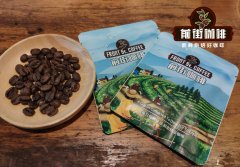
How should I make the hanging-ear coffee? can I soak it? Can hanging-ear coffee also wash out the taste of hand-brewed coffee?
Hang-ear coffee is to grind the coffee into coffee powder and put it in a sealed filter bag. The reason why it is called hanging-ear coffee is that in the process of brewing, small pieces of paper (small ears) on both sides of the filter bag need to be opened and hung on the cup for extraction.

Introduction to how to use Delong coffee machine to make espresso
Delong coffee machine how to wash out espresso how to use water to clean the extraction part, do not need to wash, do not wash it in the dishwasher, carefully clean the inside of the coffee machine, remove coffee residue inside the machine, you can use a wooden or plastic fork for auxiliary cleaning, and you can also use a vacuum cleaner to absorb coffee residue. After cleaning, when reinstalling

How does washing coffee beans make coffee have different flavor description of different treatments of sun and water?
Professional coffee knowledge exchange more coffee bean information please pay attention to the coffee workshop (Wechat official account cafe_style) traditional sun natural treatment process is quite laborious, hand-harvested high-sugar cherries, first placed in the African viaduct in the sun for about 10 days, and then put into the plastic cloth covered greenhouse to create more direct heat, continuous drying, or the harvested coffee cherry

What are the effects of coffee bean washing and sun drying on coffee flavor? introduction to coffee bean washing method
Professional coffee knowledge exchange more coffee bean information please follow the coffee workshop (Wechat official account cafe_style) even the Kenyan-style 72-hour washing method is much worse than the sun method for a month, so you can imagine the general water washing coffee beans, the flavor is cleaner than the rinsing method, leaving only a thin layer of mucous membrane, the overall treatment time is also shorter.

Why does coffee need to be processed? Introduction to the difference in the process of washing coffee beans and drying honey
Before understanding the treatment, there is a knowledge that must be popularized to non-coffee enthusiasts: what is coffee? 1 Coffee is a shrub or small tree of Rubiaceae. The first flowering time is about three years old, and the white flowers will give off a faint fragrance of jasmine and begin to bear fruit a few months later.
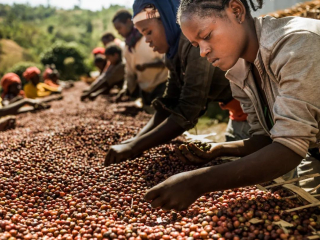
The most common 4 kinds of treatment methods: sun, water, semi-water, honey treatment of the difference?
Coffee beans are commonly processed in four ways, namely, solarization, washing, semi-washing, honey treatment. Solarization: The cheapest, simplest, and most traditional method of processing coffee beans for strong aroma requires drying the whole coffee cherry. There are also many differences in the implementation of this process, depending on the farm

Introduction to the characteristics of Flavor Coffee Bean Manor in Ethiopian Coffee Variety producing area
Ethiopia has a unique flavor that is different from other flavors and provides customers all over the world with a wide range of taste choices. In the highlands of southwestern Ethiopia, the Kaffa, Sheka, Gera, Limu and Yayu Senri coffee ecosystems are considered the hometown of Arabica coffee. this

Coffee beans semi-washing method steps Coffee semi-washing method features an article let you understand seconds
Professional coffee knowledge exchange More coffee bean information Please pay attention to coffee workshop (Weixin Official Accounts cafe_style) Front street-Semi washing treatment process introduction Semi washing treatment method can be said to be the combination of solarization method and washing method. The idea is to use less water than washing to produce coffee that tastes cleaner than sun and thicker than washing.